Expert Insulation Contractor in Springfield, IL - Tighter Homes, Lower Bills
Champaign Insulation serves Springfield, IL homeowners with air sealing, attic insulation, spray foam, and vapor barrier work. Springfield has a large share of pre-1960 brick and ranch homes that were built before energy codes addressed air infiltration, and Sangamon County's flat open terrain means cold prairie wind hits those homes directly every winter. We have served central Illinois since 2022 and reply to every estimate request within one business day.
- Vetted Local Pros
- Locally Owned and Operated
- Free Estimates
- Satisfaction Guaranteed
Services we provide in Springfield, IL
Air sealing services
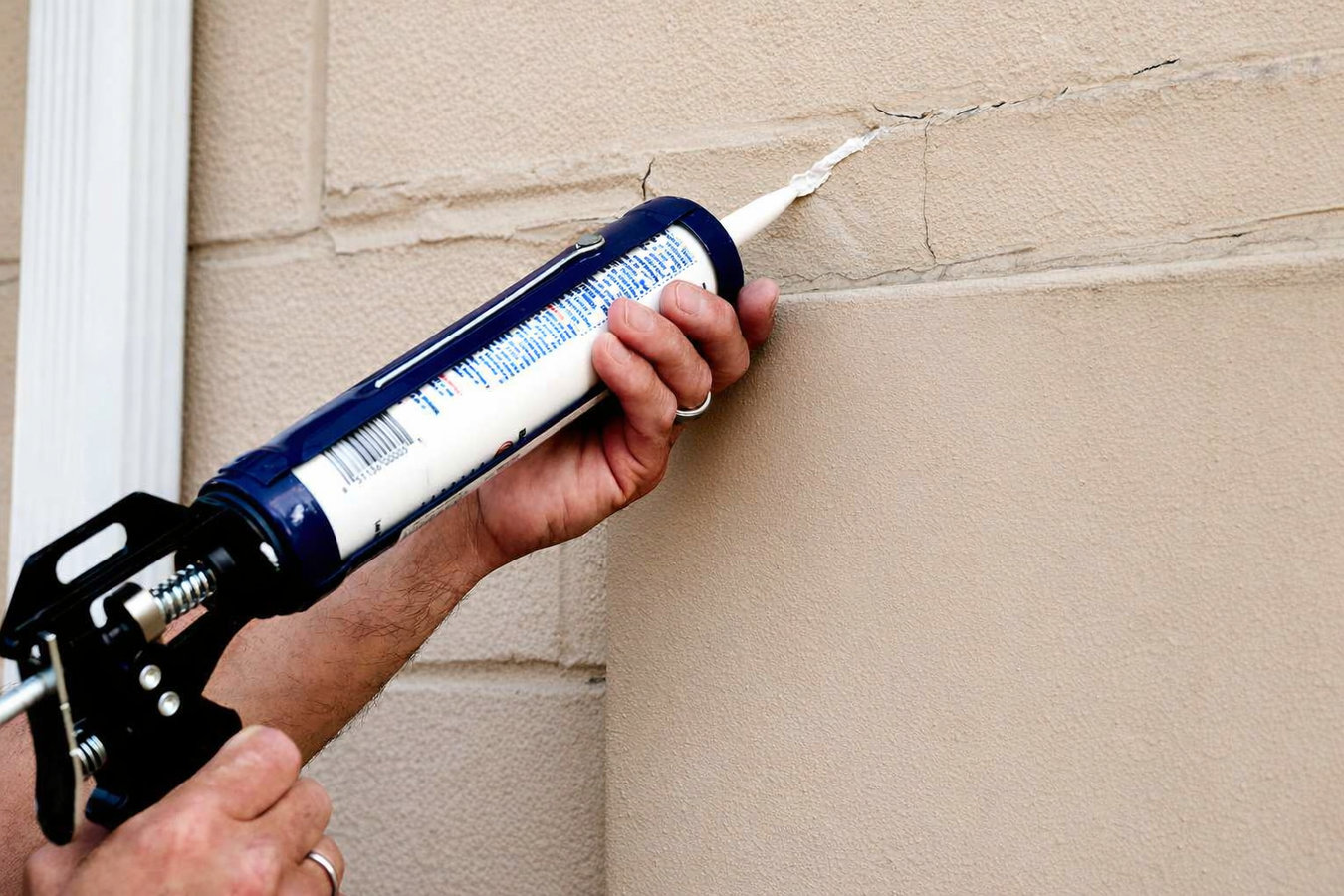
Springfield's pre-1960 brick two-stories and mid-century ranch homes were built before air sealing was a standard practice. Gaps around chimneys, interior wall tops, plumbing chases, and recessed fixtures connect the living space directly to the attic, allowing warm air to escape continuously regardless of how much insulation sits on the attic floor. Our air sealing services locate and close every bypass before insulation is added, so the insulation performs at its rated value rather than compensating for gaps it cannot cover.
Attic insulation
Springfield homes built before 1980 commonly have attics with only a few inches of original compressed insulation that has never been upgraded. Sangamon County winters push frost 30 to 40 inches into the clay soil below, and the attic is where the most heat escapes when insulation and air sealing are inadequate. Bringing attic insulation up to current Climate Zone 5A minimums is typically the highest-return single improvement available to Springfield homeowners.
Spray foam insulation
Spray foam handles the locations that blown-in material cannot seal: rim joists at the foundation top, irregular framing around chimneys and additions, and crawl space walls in ranch homes with pier-and-beam construction. Springfield's older homes near the Lincoln Home neighborhood and Iles Park often have complex framing from multiple additions and renovations, and spray foam is the most reliable way to insulate and air seal those irregular areas in one step.
Basement insulation
Most Springfield homes built before 1970 have full poured-concrete or block basements with no insulation at the rim joist or along the foundation walls. Sangamon River flooding risk and Sangamon County's clay-heavy soil mean basements in Springfield are subject to higher ground moisture than homes in better-drained areas. Insulating basement walls and rim joists in combination with moisture control creates a warmer first floor and a drier lower level.
Crawl space insulation
Ranch homes built on Springfield's south and west sides from the 1950s through the 1970s often have crawl spaces that have never been insulated or properly vapor-sealed. Flat terrain and slow-draining clay soil mean ground moisture accumulates under these homes after spring rain events. Insulating the crawl space floor and walls, paired with a vapor barrier, keeps the floor system above dry and reduces heating loads for the main living area.
Vapor barrier installation
Springfield sits within the Sangamon River watershed, and low-lying neighborhoods throughout the city experience elevated ground moisture after heavy spring rains. A properly installed vapor barrier in crawl spaces and basements prevents that ground moisture from wicking into the floor framing and insulation above. It also reduces the musty odors and elevated humidity that migrate from below-grade spaces into the living area when vapor control is absent.
Why Springfield properties need an insulation contractor who understands local conditions
Springfield is the Illinois state capital, and a significant share of its approximately 114,000 residents live in homes built before 1960. Those homes - brick two-stories in neighborhoods like Iles Park and Aristocracy Hill, mid-century ranches on the south and west sides, and wood-frame properties closer to downtown - were constructed before modern energy codes required air sealing or minimum insulation levels. For many of these homes, the attic has a few inches of original compressed insulation, the wall cavities are empty or partially filled, and no one has ever sealed the bypasses around chimneys, pipes, or interior wall tops. That combination means heat escapes from all directions every winter.
Springfield sits in Climate Zone 5A, where winter temperatures regularly drop below 10 degrees Fahrenheit and frost penetrates Sangamon County's clay soil 30 to 40 inches deep. The city's flat open terrain, surrounded by farmland with few natural windbreaks, means cold prairie air hits Springfield homes with little obstruction. That combination of cold temperatures and exposed siting makes the gap between a well-sealed home and a drafty one particularly noticeable on utility bills from November through March. The Sangamon River and its low-lying floodplain also contribute to moisture challenges in basements and crawl spaces across the city.
Roughly half of Springfield's housing units are renter-occupied, which means many older homes have had maintenance deferred across multiple ownership cycles. Landlords managing older Springfield properties find that air sealing and attic insulation upgrades reduce tenant complaints about comfort and lower utility consumption in buildings where utilities are included. Owner-occupants in the same neighborhoods are often surprised to learn how much their heating costs can drop after a single air sealing and attic insulation project.
Local knowledge that makes a difference in Springfield
We serve central Illinois from our base in Champaign, and Springfield is one of the most consistent markets we work in for older residential building stock. The pre-1960 brick and frame homes throughout Sangamon County share predictable insulation gaps: absent or very thin attic insulation, empty exterior wall cavities, and uninsulated basement rim joists. These are straightforward projects, but they require a contractor who knows how to work around older chimney framing, understands the moisture implications of proximity to the Sangamon River, and is familiar with the City of Springfield's building permit process for renovation and insulation work. We handle permit applications as part of every project where one is required.
Springfield's landmarks are familiar reference points when we are scheduling work across the metro area. Whether a job is near the Lincoln Home National Historic Site on the east side or in a newer subdivision off Veterans Parkway on the north end, we know the city's streets and the building stock that lines them. The Illinois State Capitol and the state government complex anchor the downtown grid, and the city radiates outward along major corridors including Route 4, MacArthur Boulevard, and Dirksen Parkway.
We also regularly serve homeowners in Decatur, which sits about 40 miles to the east and shares Springfield's pre-1960 housing profile and Climate Zone 5A conditions. For homeowners closer to Champaign, we cover that market as well.
What to expect when you hire an insulation contractor in Springfield
Call or submit your request
Reach out by phone or through our contact form and we will respond within one business day. We will ask about your home's age, construction type, and the specific problems you have noticed, so we can plan the right assessment for an older brick two-story versus a 1960s ranch on a crawl space.
On-site assessment and written estimate
We inspect the attic, walls, basement or crawl space, and rim joist, check for moisture conditions related to the Sangamon River watershed, and measure existing insulation. The written estimate is itemized with no hidden charges, and we confirm permit requirements before the project starts. There is no charge for the estimate visit.
Installation with care for older homes
Most attic air sealing and insulation jobs in Springfield are completed in one to two days. Blown-in wall work takes one to two additional days depending on the number of exterior walls addressed. For brick homes, we drill and patch with care to preserve the mortar finish. Homeowners do not need to vacate during the work.
Walkthrough and rebate documentation
Before we leave we walk through the completed work and confirm whether your project qualifies for Ameren Illinois rebates and the federal Inflation Reduction Act tax credit. We provide the documentation needed to file both claims. For landlords managing multiple Springfield properties, rebates can be applied per address.
Ready to stop losing heat through your Springfield home?
We serve Springfield, IL homeowners and landlords with free written estimates and honest assessments. Call us or submit the form and we will respond within one business day.
(217) 917-9089Frequently asked questions
About Springfield, IL
Springfield is the capital of Illinois and the seat of Sangamon County, with a population of roughly 114,000 residents. The city is best known nationally for its connection to Abraham Lincoln, who lived and practiced law here before becoming president. The Abraham Lincoln Presidential Library and Museum and the Lincoln Home National Historic Site in the center of the city draw visitors from across the country. State government is Springfield's largest employer, which creates a stable, long-tenured workforce and a community where homeowners invest in maintaining their properties over the long term.
Springfield's residential neighborhoods reflect several distinct eras of development. The older core near downtown and the Lincoln Home includes pre-war brick two-stories, Craftsman bungalows, and Victorian-era homes in neighborhoods like Iles Park and Aristocracy Hill. The south and west sides are dominated by postwar ranch homes built in the 1950s and 1960s on slab or crawl space foundations. Newer subdivisions have spread north toward Sherman and east toward Chatham over the past 30 years, bringing two-story colonials and split-levels from the 1990s and 2000s into the market. Most of the city's older housing stock has never had an energy assessment or an insulation upgrade.
Springfield is located roughly 100 miles from Champaign to the east and 40 miles from Decatur to the northeast. We also serve property owners in Bloomington, which lies further north along Interstate 55 and shares the same Climate Zone 5A conditions and mid-century housing stock that make air sealing and insulation upgrades a high-value project in this part of Illinois.
Insulation Contractor Services Available in Springfield, IL
Spray foam insulation
High-performance spray foam that air-seals and insulates in one application.
Learn moreBlown-in insulation
Loose-fill insulation blown evenly into attics and hard-to-reach cavities.
Learn moreInsulation removal
Safe removal of old, damaged, or contaminated insulation before replacement.
Learn moreCrawl space insulation
Crawl space insulation that reduces moisture and improves floor warmth.
Learn moreAir sealing services
Air sealing that closes gaps and drafts to cut energy loss at the source.
Learn moreBasement insulation
Basement insulation that controls moisture and lowers heating and cooling costs.
Learn moreClosed-cell foam insulation
Dense closed-cell foam providing maximum R-value and a moisture barrier.
Learn moreOpen-cell foam insulation
Lightweight open-cell foam for interior walls, ceilings, and sound control.
Learn moreAttic air sealing
Attic air sealing targeting bypasses that drive up heating and cooling bills.
Learn moreCrawl space vapor barrier
Vapor barriers that prevent ground moisture from entering your crawl space.
Learn moreVapor barrier installation
Professional vapor barrier installation for crawl spaces and basements.
Learn moreRetrofit insulation
Retrofit insulation added to existing homes without major renovation work.
Learn moreCommercial insulation
Commercial insulation for offices, warehouses, and mixed-use buildings.
Learn moreAreas We Serve
Serving these cities and communities.
Serving Springfield, IL homes with insulation built for Sangamon County winters
Call Champaign Insulation today for a free written estimate. Springfield's pre-1960 homes are among the most under-insulated we see in central Illinois, and addressing attic bypasses and empty wall cavities makes a measurable difference starting with the first full heating season after the work is done.