Serving Champaign, IL and surrounding areas. (217) 917-9089
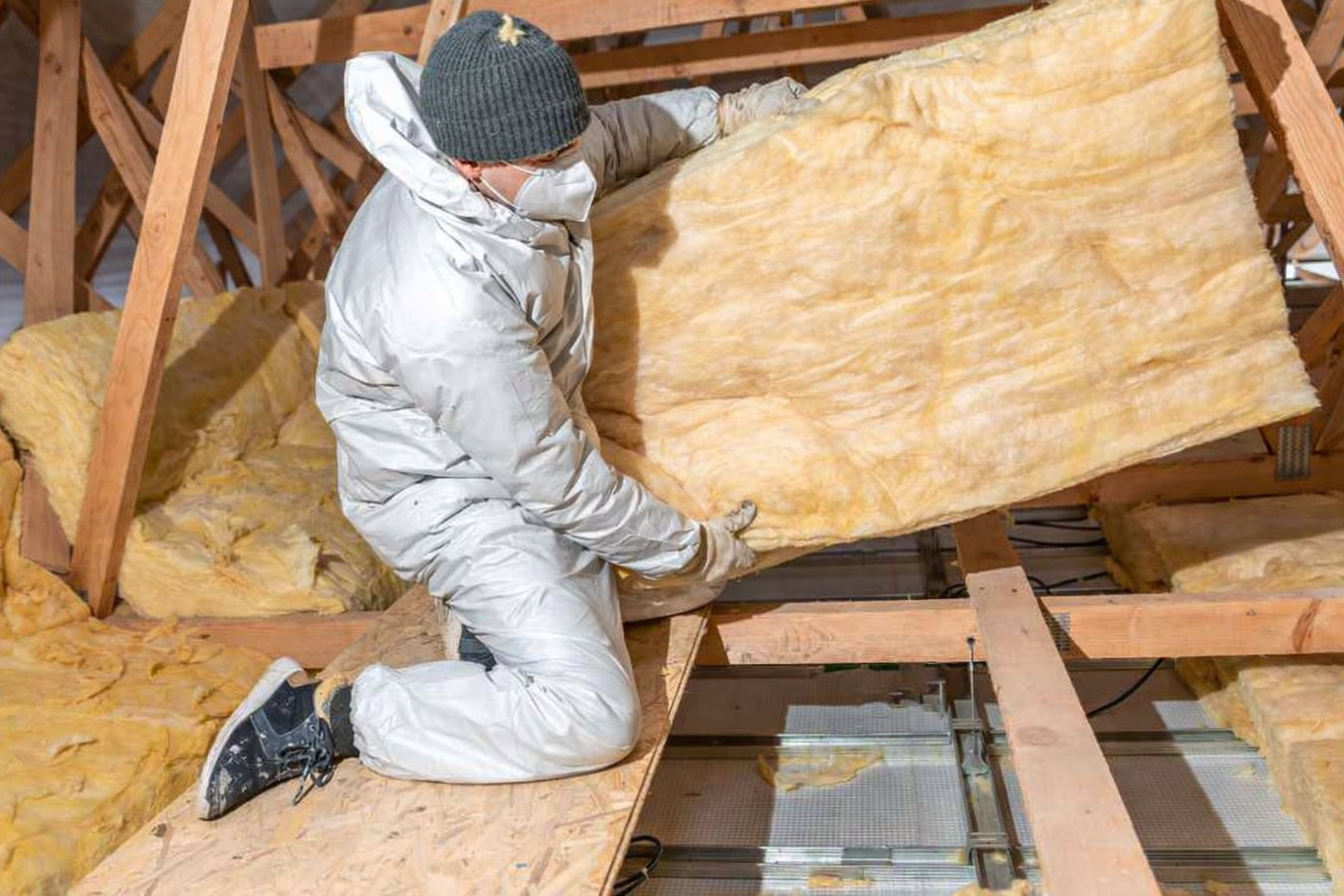
Champaign Insulation handles spray foam, attic, blown-in, and crawl space insulation for homeowners across Champaign-Urbana. Free estimates, same-week scheduling, and work you can verify when we are done.
Champaign Insulation is a locally owned insulation contractor serving Champaign, IL and 11 surrounding communities. We offer 16 specialized services, from spray foam and attic blown-in to crawl space vapor barriers and commercial insulation. Every job starts with a free on-site estimate and a written quote before any work begins.
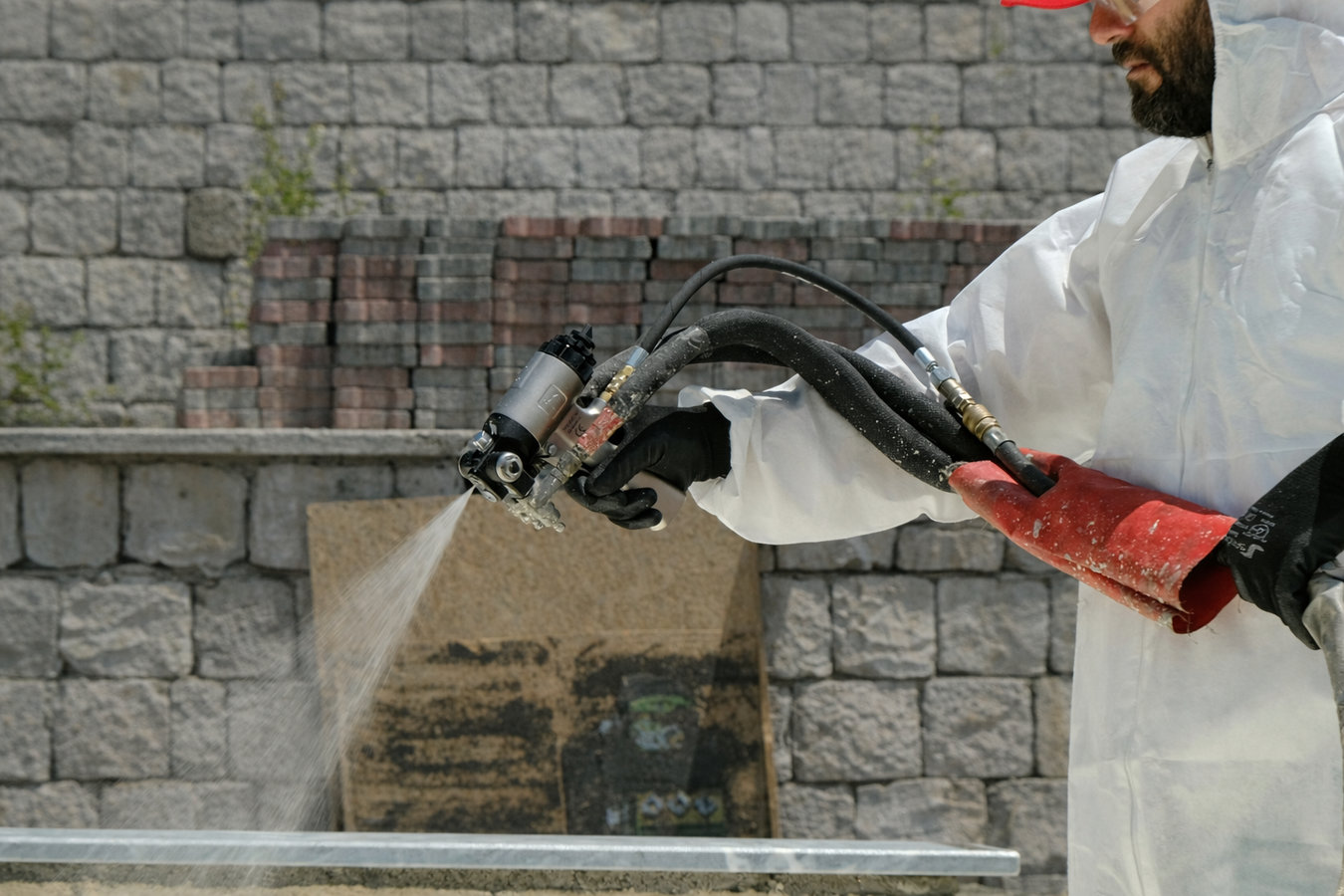
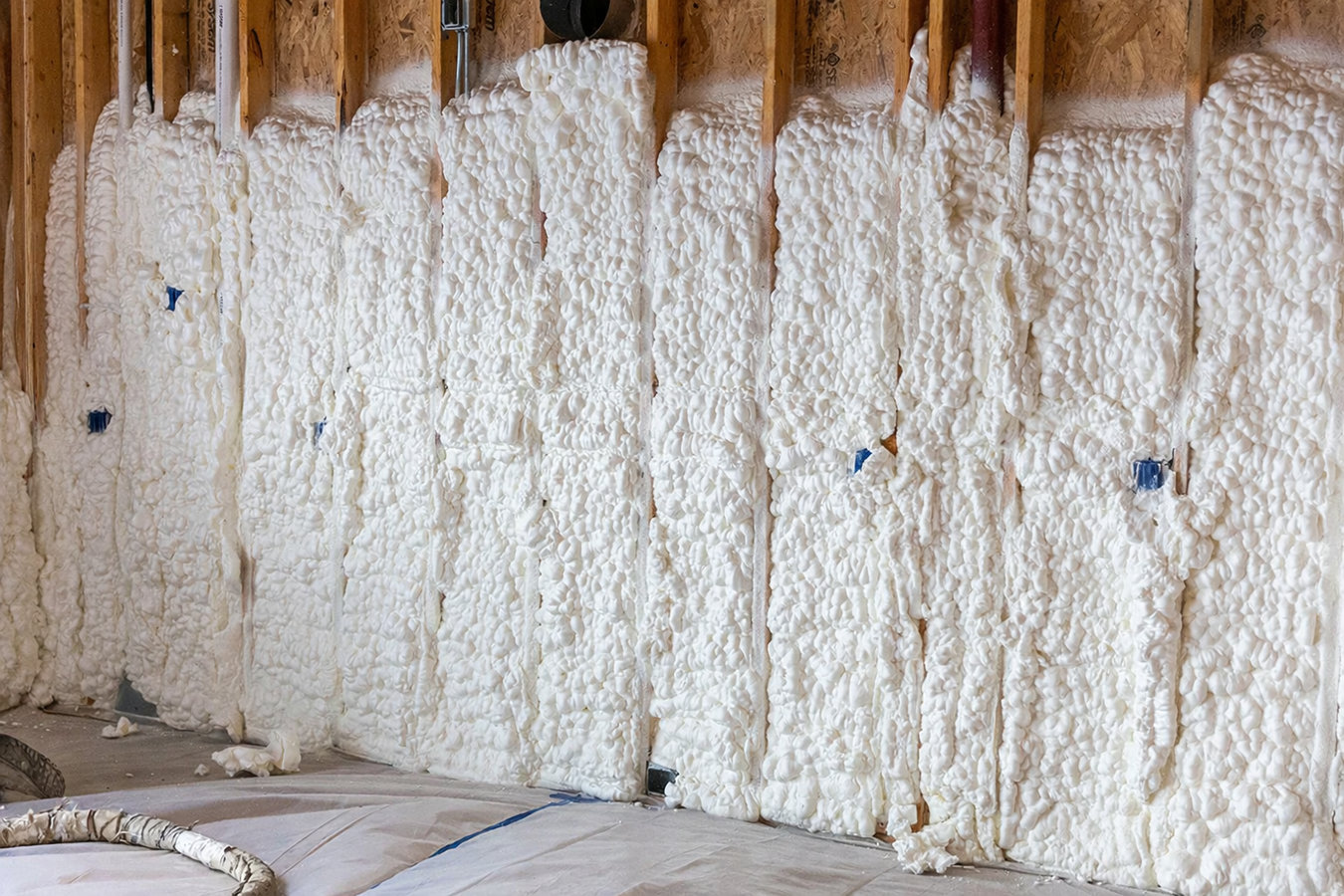
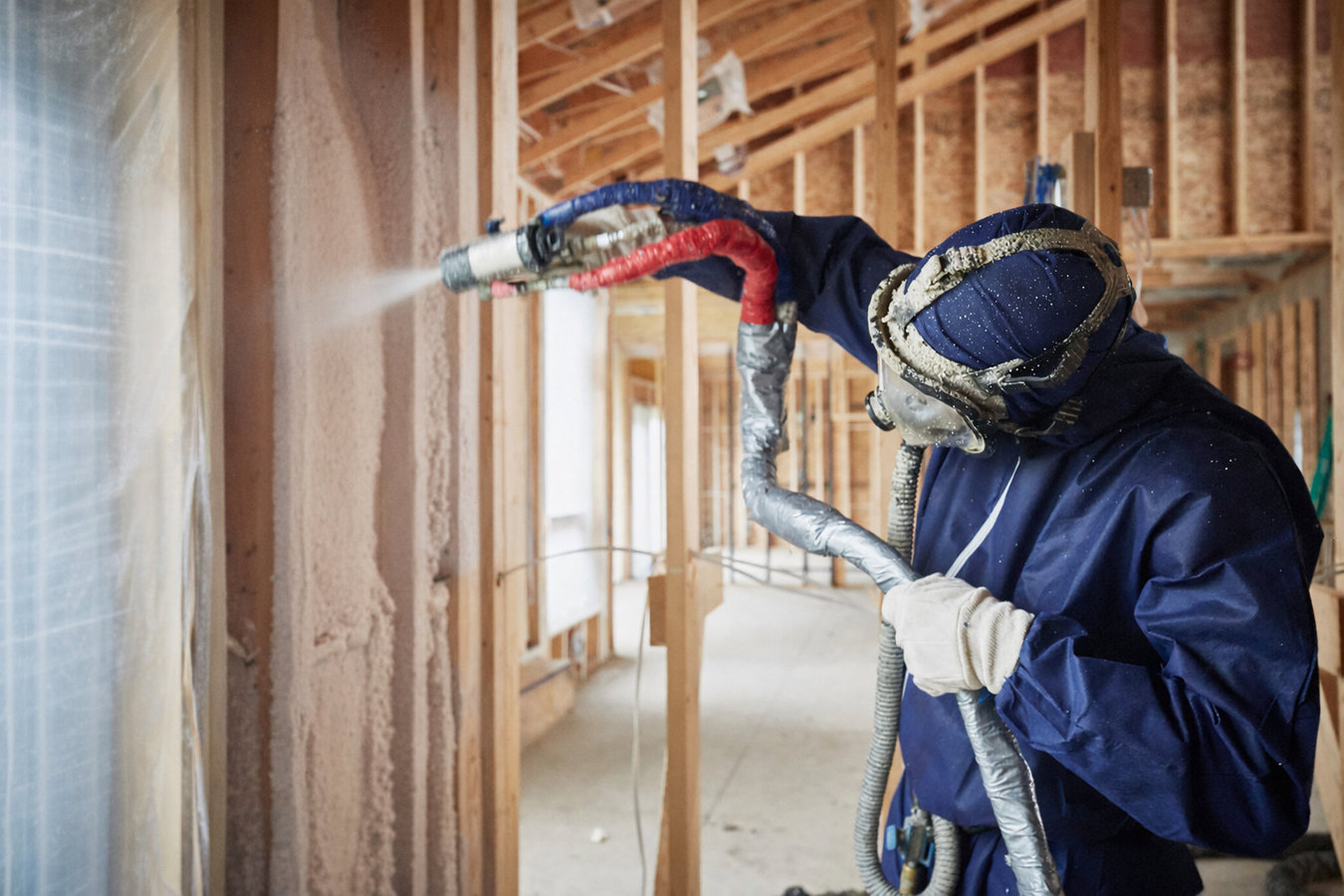
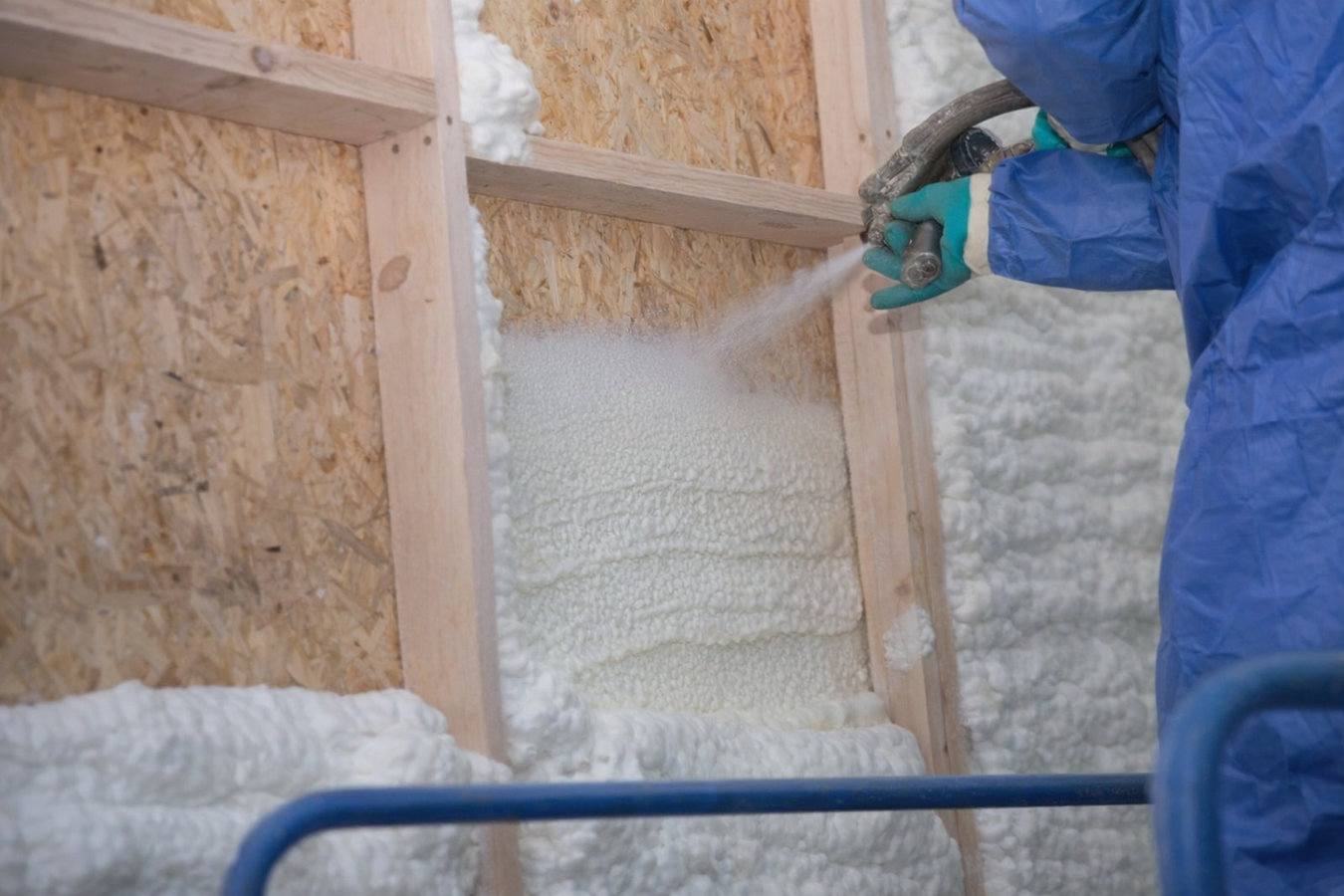
Your attic and crawl space are leaking air and money every season. Spray foam seals every gap in one step, cutting both heating and cooling costs.
Learn More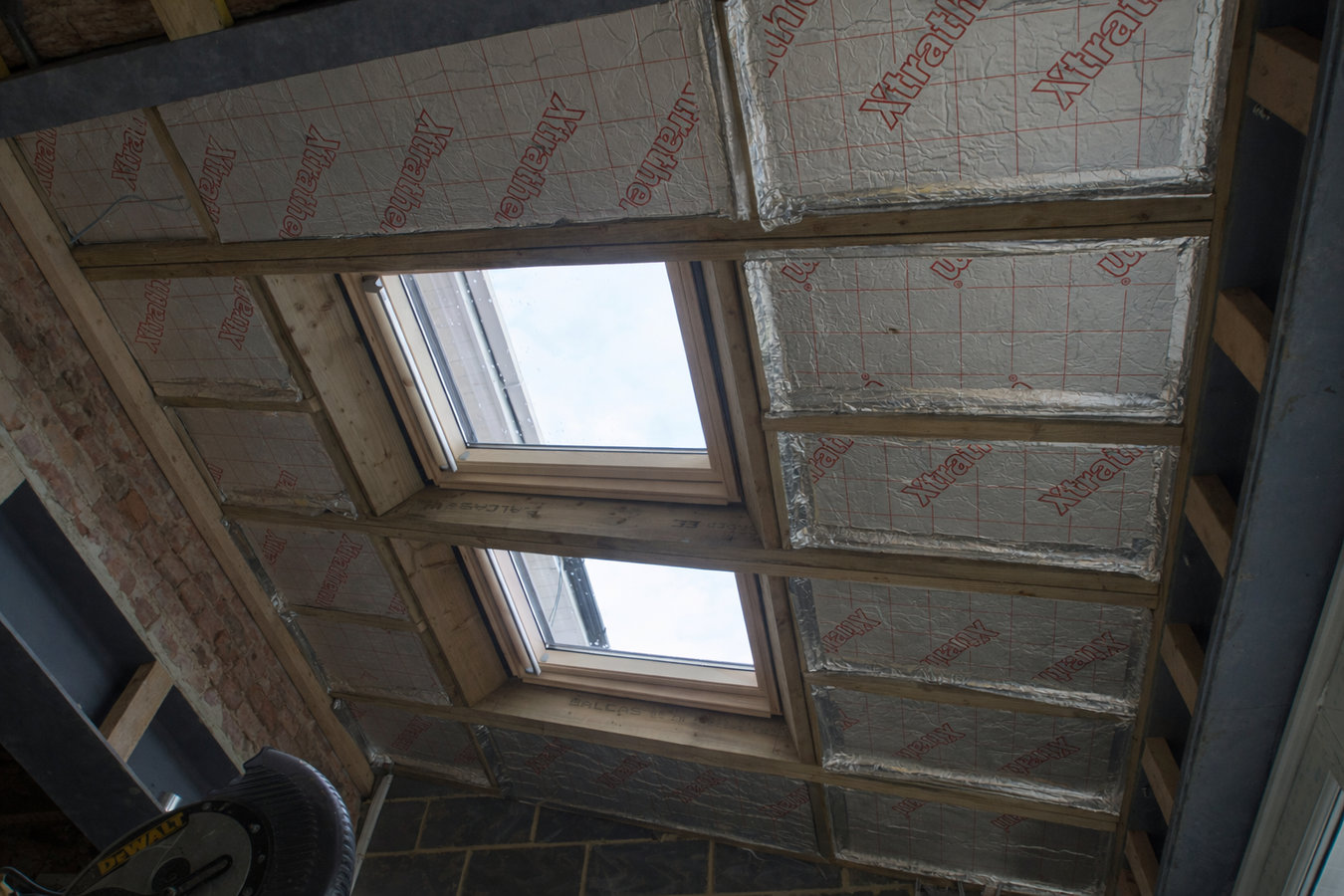
Heat rises, and an under-insulated attic lets it escape straight through your roof. Proper attic insulation keeps warmth in during Illinois winters and blocks heat in summer.
Learn More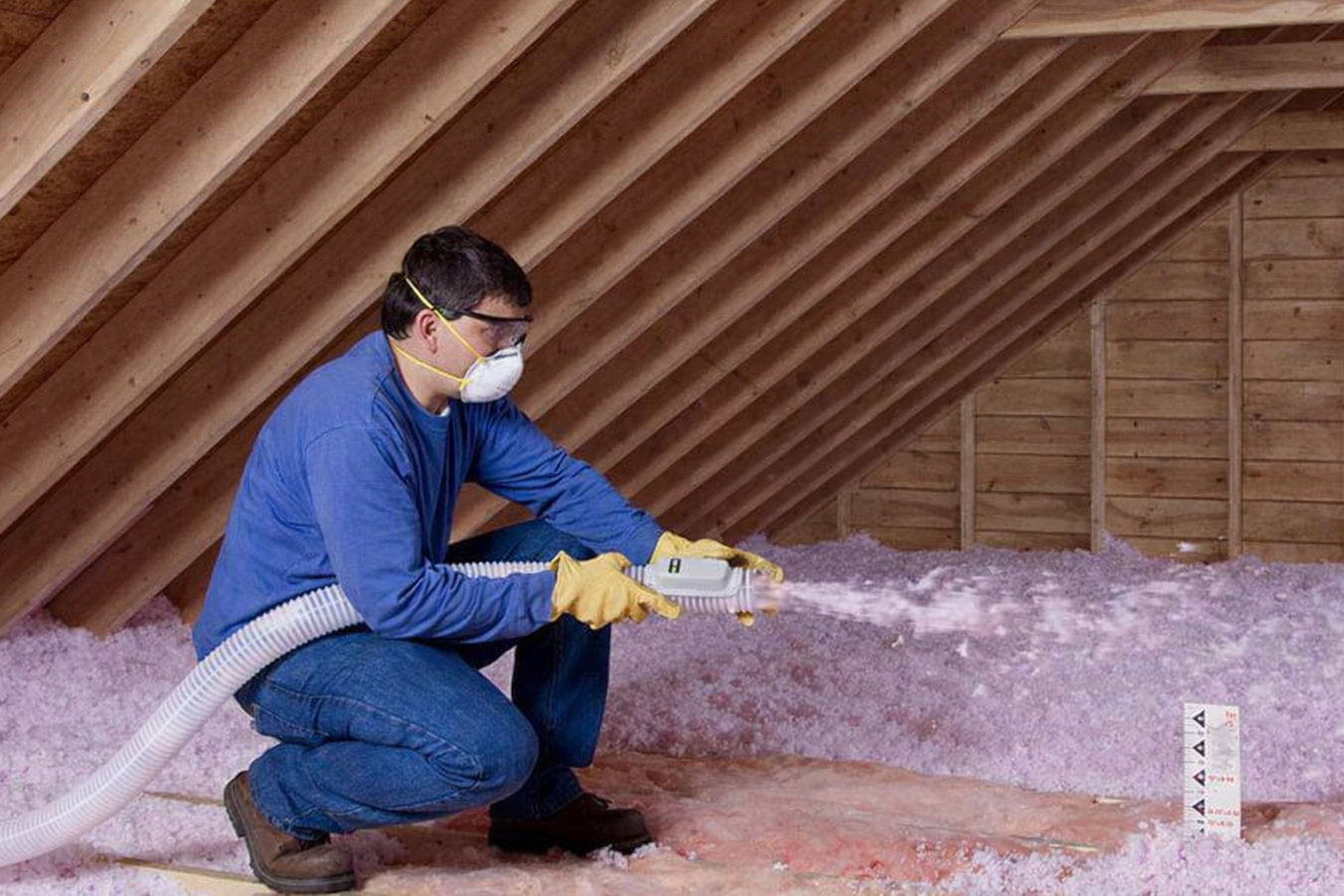
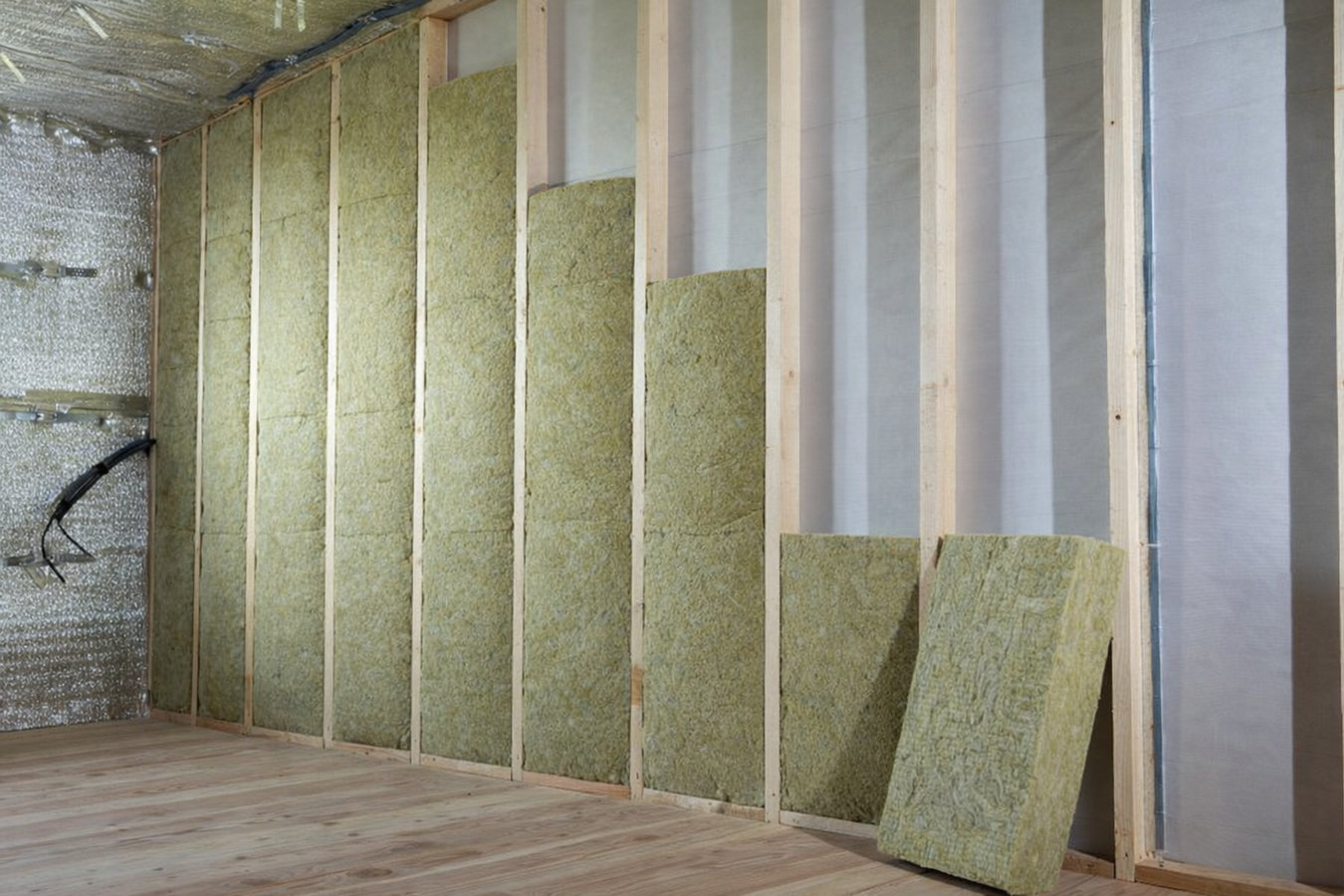
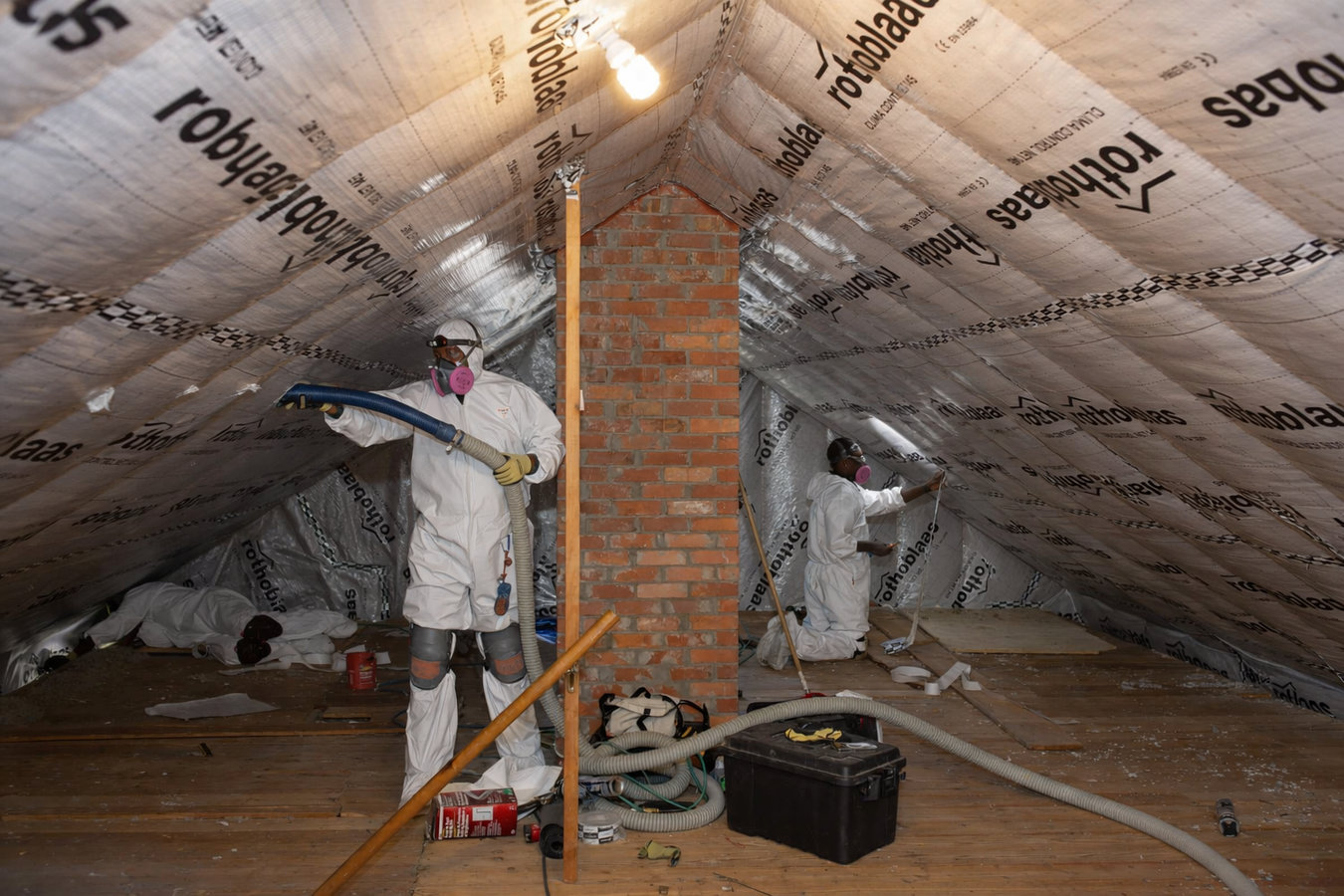
Blown-in loose fill reaches corners and irregular spaces that batts cannot. It is the most popular upgrade for existing attics in Champaign homes built before 1980.
Learn More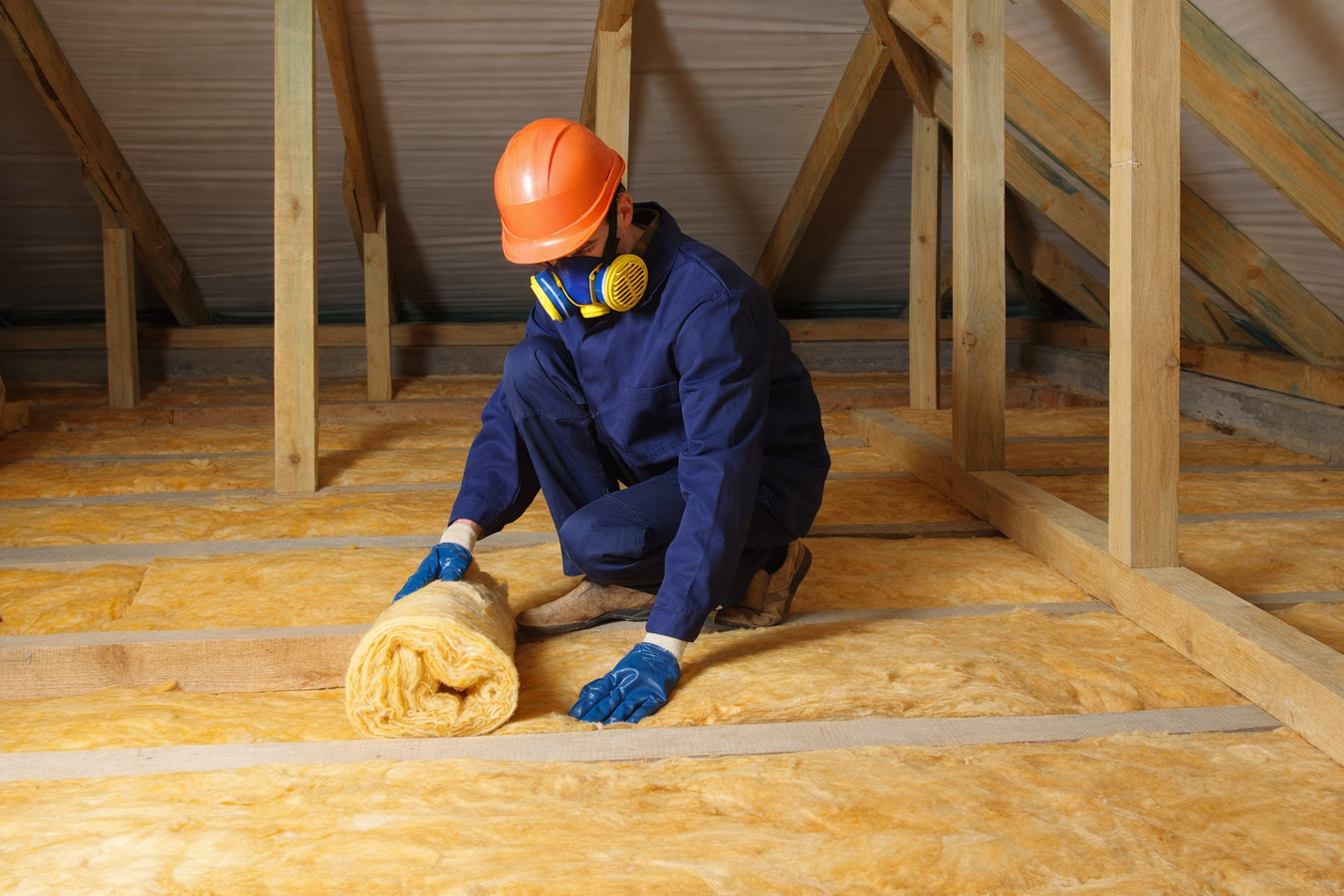
Drafty rooms and high utility bills usually trace back to gaps in your home's thermal envelope. A full-home insulation assessment finds where comfort and money are escaping.
Learn More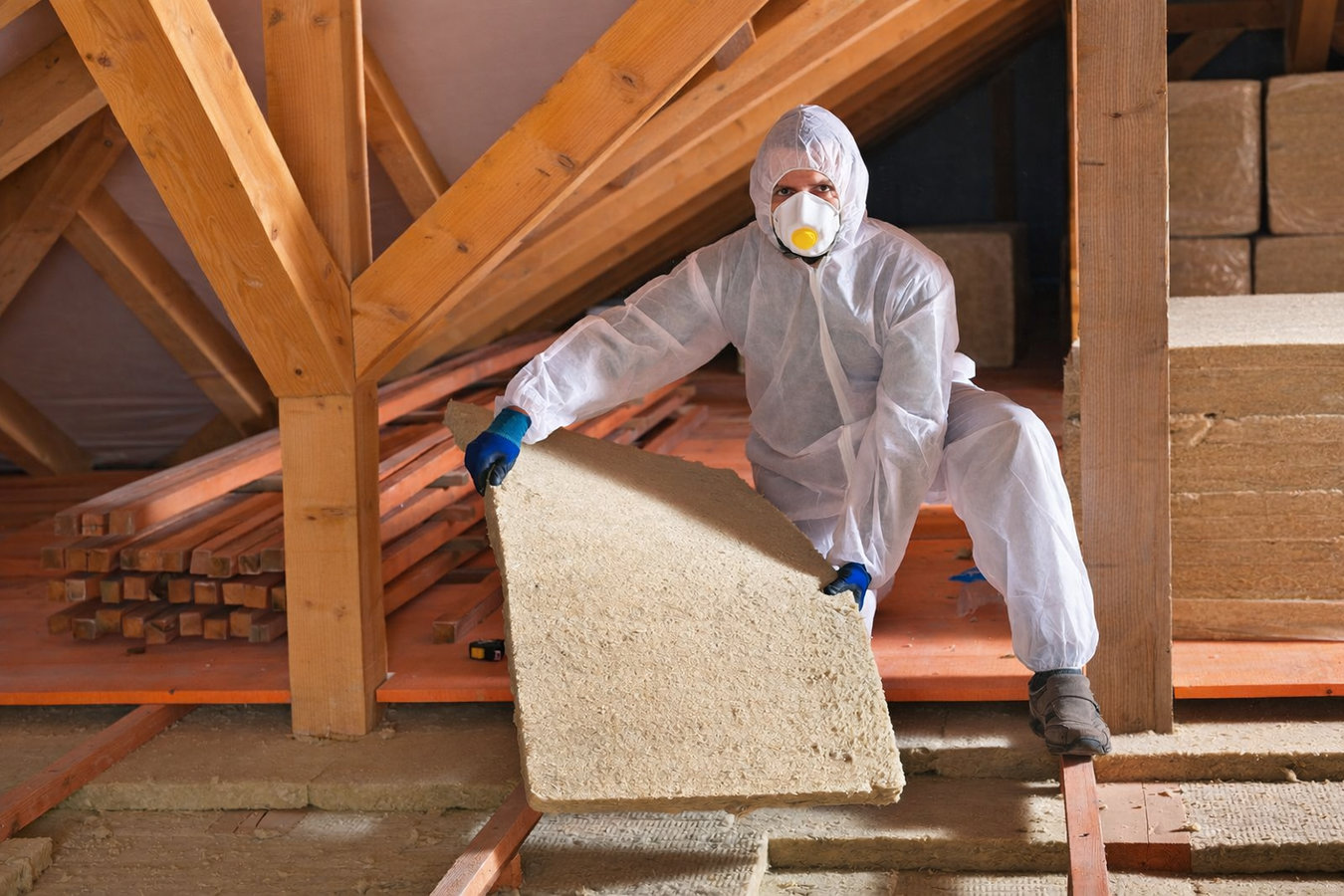
Old, wet, or pest-damaged insulation insulates nothing and can hide mold. We remove it safely before installing clean, effective material.
Learn More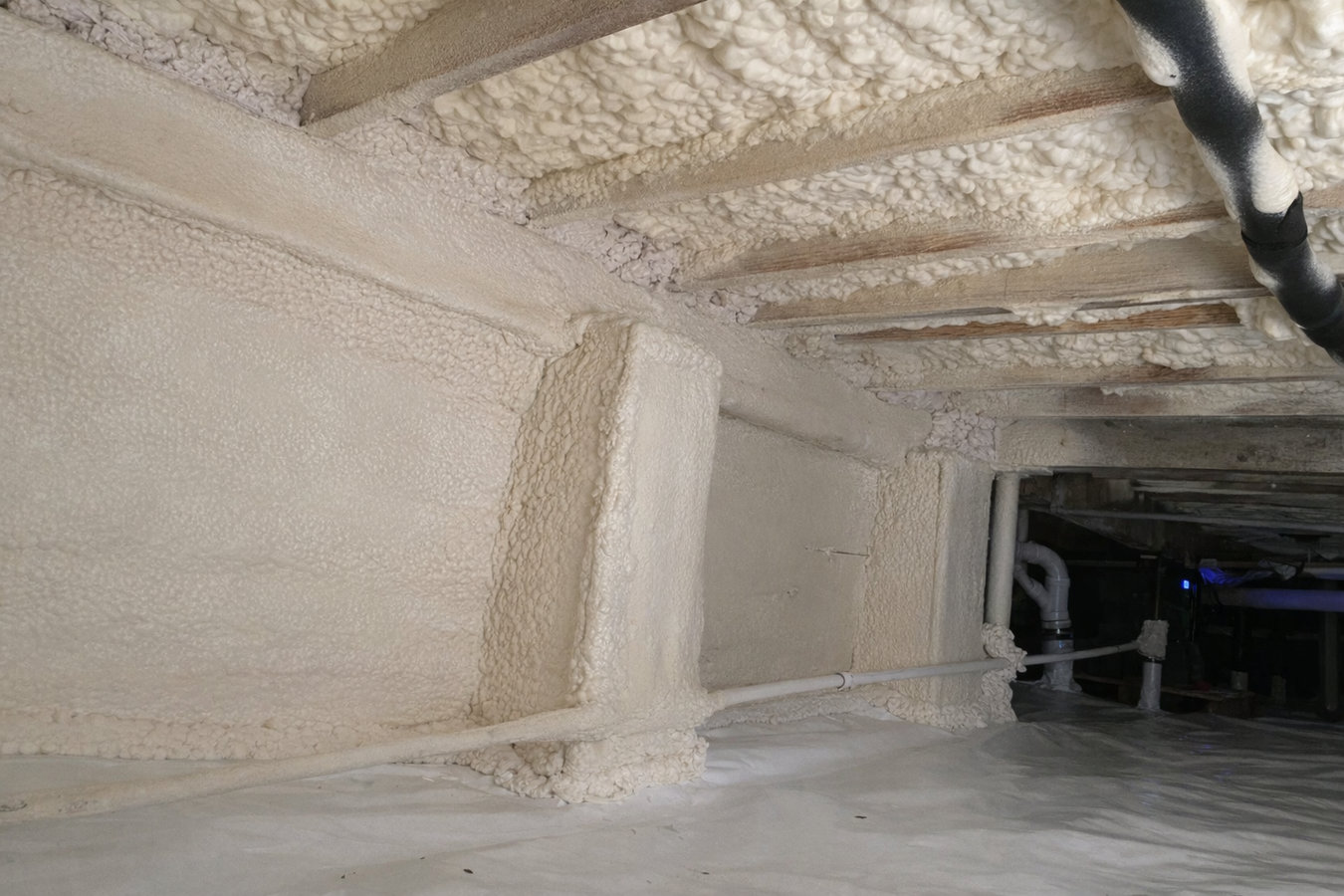
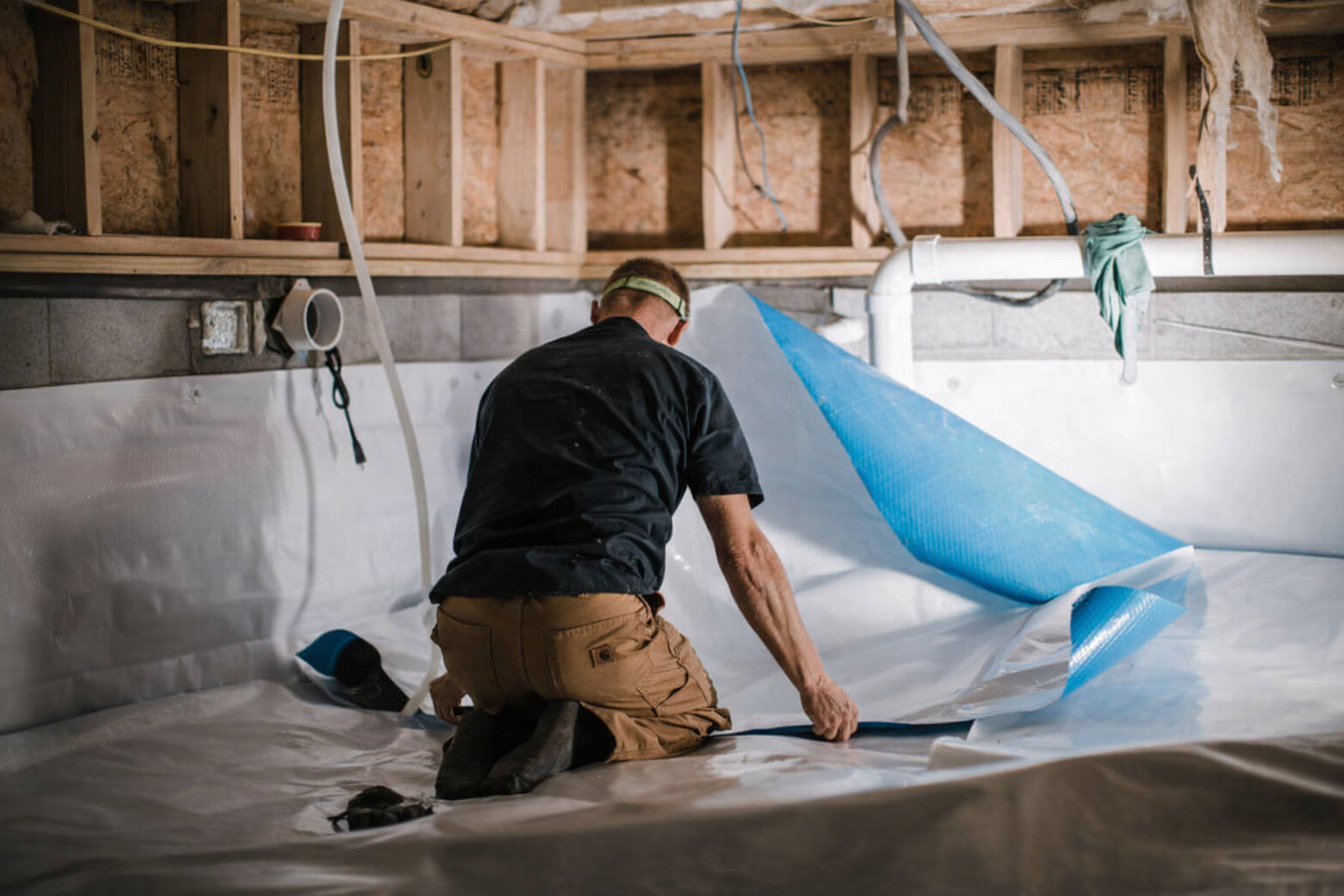
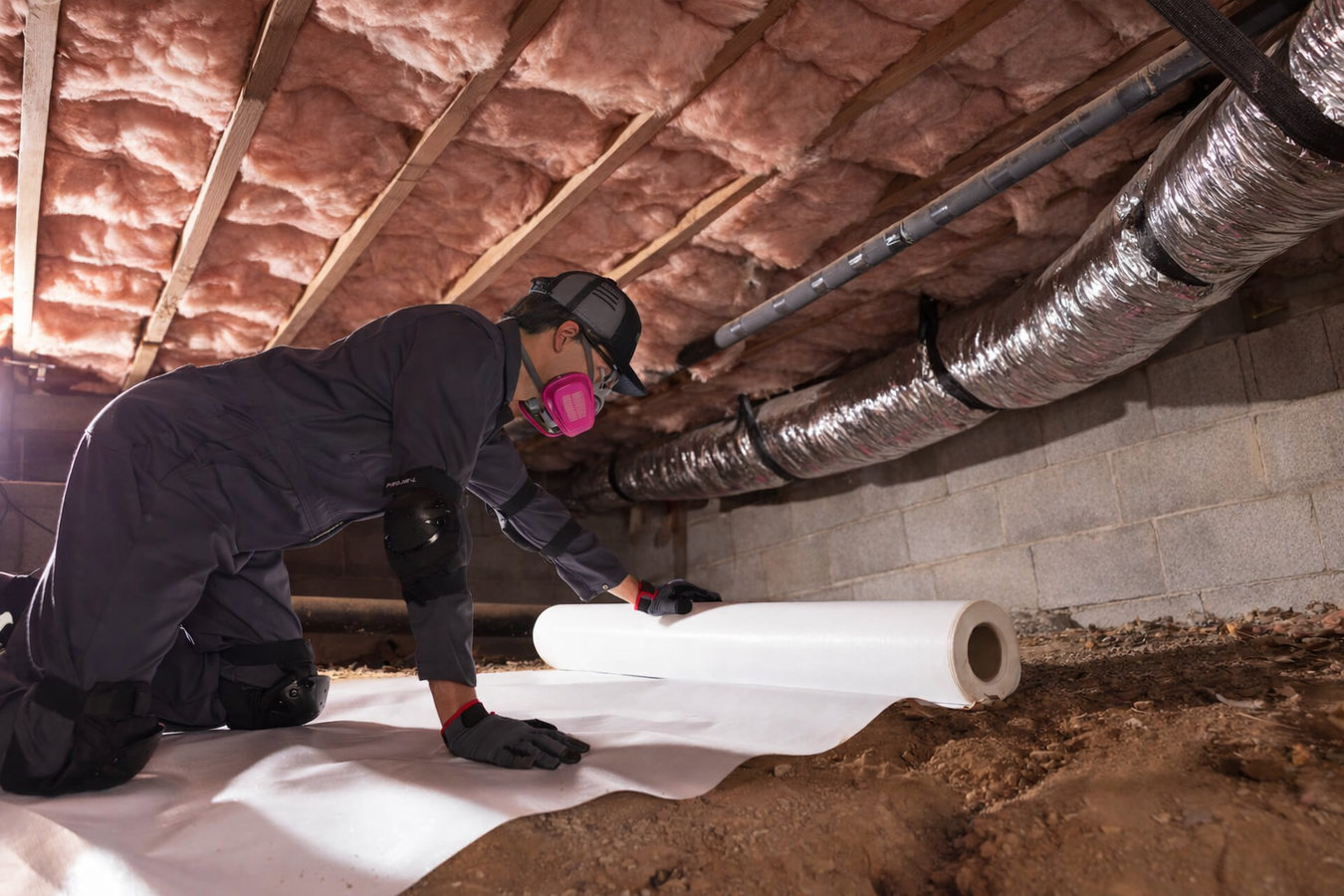
An uninsulated crawl space keeps floors cold and lets pipes freeze in a Champaign winter. We insulate and seal the space to protect your home from the ground up.
Learn More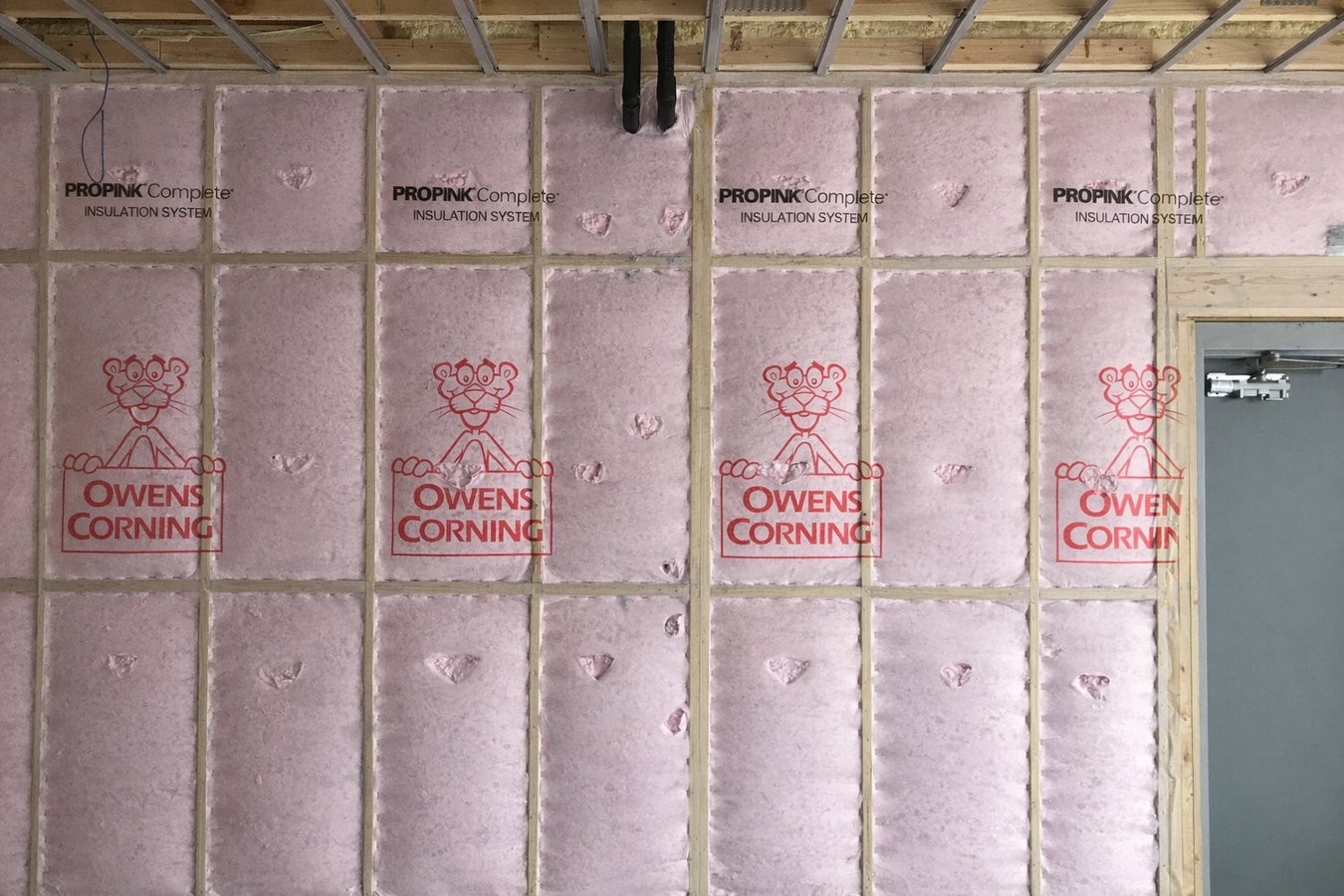
Exterior walls with no insulation turn rooms into wind tunnels when temperatures drop. We add blown-in material through small holes that are patched and painted when we finish.
Learn More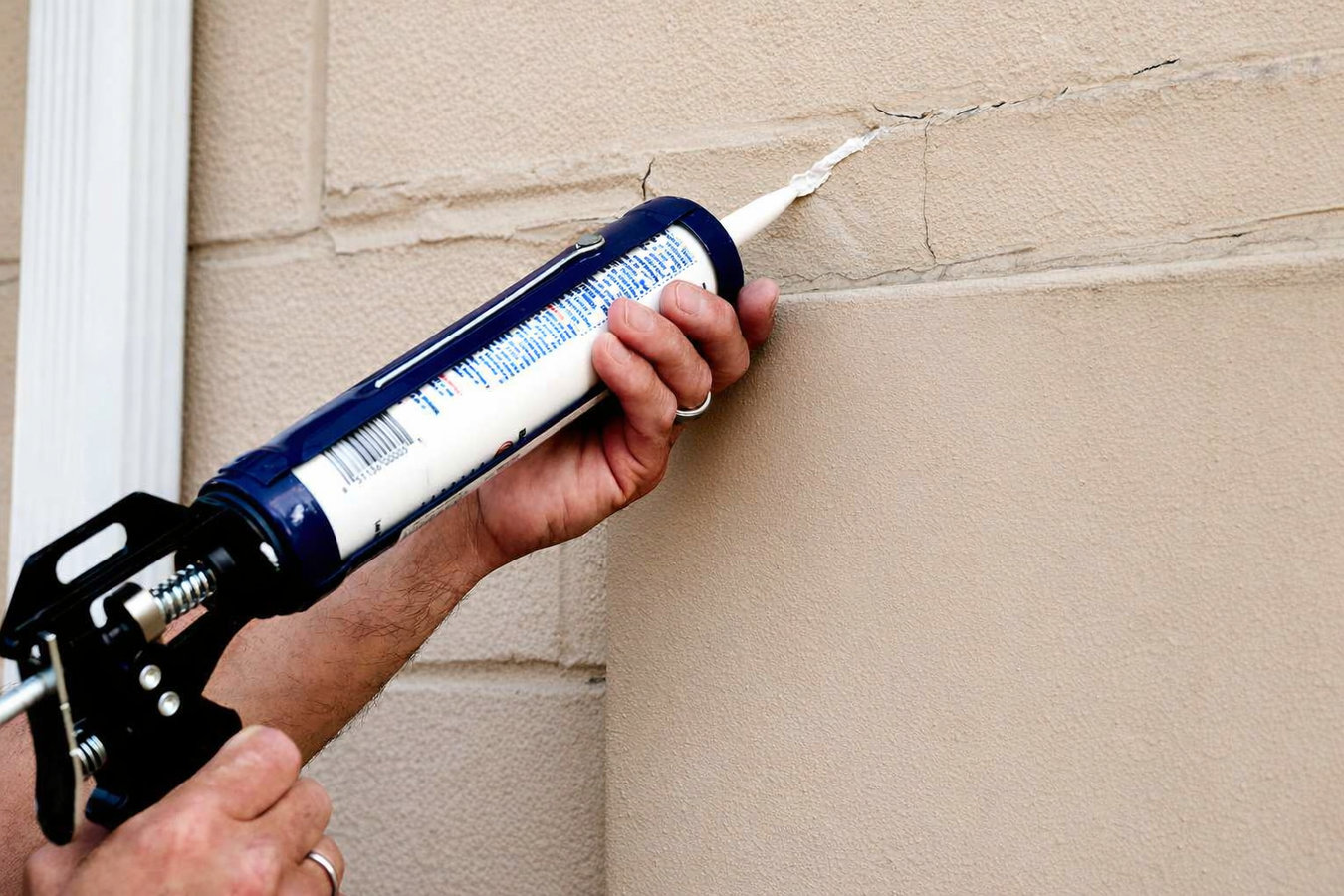
Insulation slows heat transfer, but gaps around outlets, plumbing, and fixtures let air pass freely. Air sealing closes those pathways before insulation goes in.
Learn MoreReach out by phone or through our contact form. We ask a few basic questions about your home, which areas you want insulated, and what prompted the call. Most homeowners hear back within 1 business day to schedule a free in-home estimate at a time that works for them.
One of our estimators walks the areas you want insulated, takes measurements, checks for moisture or access issues, and explains what they find in plain terms before recommending anything. You receive a written proposal that breaks down cost by area and material, so you know exactly what you are agreeing to.
The crew arrives on the scheduled day, protects your living areas, completes the work, and does a final walkthrough with you before leaving. For attic jobs, we leave depth markers so you can verify coverage yourself. Your home is ready for normal use the same day in most cases.
We handle permit applications on your behalf when the City of Champaign requires one, so the paperwork does not fall on you. Every job is documented from written estimate to final walkthrough.
Every project starts with a free in-home assessment and a written, itemized quote. The estimate costs nothing, and there is no pressure to book. Most homeowners receive their quote the same day as the visit.
We are a locally owned business based right here in Champaign, IL. We serve the same neighborhoods we live in, which means response times are short and we understand the housing stock in this area.
We respond to all inquiries within 1 business day and can usually schedule both the estimate and the installation within the same week. If your timeline is urgent, let us know and we will do our best to accommodate it.
Ready to get started? Call (217) 917-9089 or send us a message.
"They came out the same week I called and finished the attic blown-in job in one morning. My upstairs bedroom stopped feeling like a different climate after the first cold snap. I wish I had done it years ago."
Karen M., Urbana - Attic Insulation
"The crawl space under our house was a disaster. They pulled the old wet insulation, installed spray foam, and added a vapor barrier all in one visit. The musty smell that had bothered us for years was gone within a week."
David R., Savoy - Crawl Space Insulation
"I got three quotes and theirs was the only one that included air sealing as part of the attic job without me having to ask. The written estimate was detailed and the final bill matched it exactly."
Tamara B., Champaign - Spray Foam Insulation
We respond within 1 business day. There is no obligation after the estimate. Once you submit, someone from our office will call to schedule a free on-site visit where we inspect the areas you want insulated, take measurements, and answer your questions before recommending anything.
(217) 917-9089Champaign Insulation is based in Champaign, IL and serves 12 communities across central Illinois, including Urbana, Savoy, Rantoul, Danville, Bloomington, and more. We cover all 12 service areas with same-week scheduling on most projects. Call us to confirm availability for your location.
Most heat loss in a central Illinois home happens through the attic, where warm air rises and escapes through gaps and thin insulation. Sealing air bypasses before adding insulation is what delivers the biggest reduction in heating costs, which is something any experienced attic insulation company will confirm.
If your crawl space smells musty or you notice condensation under the floor joists in summer, moisture is actively moving through the space. A vapor barrier and properly installed insulation stop the problem before it reaches the wood framing above.
Yes. Insulation slows heat transfer, but gaps around outlets, plumbing, and light fixtures let air bypass the insulation entirely. Air sealing those pathways first is what makes insulation perform as promised.
Blown-in is the most cost-effective choice for attic floors. Spray foam is the better option wherever moisture resistance matters, such as crawl spaces, rim joists, and basement walls. Most homes benefit from both, in different areas.
Homes built before 1980 in Champaign often have irregular framing, small access hatches, and insulation that has settled over decades. An insulation installer familiar with this area knows what to look for and can assess what is actually there before recommending a solution.
Ice dams form when heat escapes through an attic and melts roof snow unevenly. The meltwater refreezes at the cold eaves and can back up under shingles. Proper attic insulation and air sealing eliminate the heat loss that causes them. The U.S. Department of Energy outlines recommended insulation levels by climate zone.
Champaign Insulation is a locally owned insulation contractor based in Champaign, IL, serving 12 cities and communities across central Illinois since 2022. Our experienced crews handle residential and commercial insulation work with free written estimates on every project, from attic and crawl space work to wall insulation and spray foam.
We have completed insulation projects across all 16 of our service types, from attic blown-in upgrades in Champaign homes built in the 1960s to commercial spray foam applications in Bloomington and Springfield, and spray foam insulation remains one of the most requested options across both residential and commercial jobs. Good home insulation starts with knowing what a house actually needs, and that varies by age, construction type, and location. Every job involves a written estimate, permit handling when required, and a final walkthrough before we consider the project closed.
If the insulation is dry and undisturbed, adding material on top is usually the right call. If it is wet, compressed, or contaminated, removal comes first. A contractor can make that call during the estimate visit.
Insulating the crawl space walls and sealing the floor turns the space into a conditioned zone, which protects pipes and is generally more effective in central Illinois. Insulating the floor above leaves the crawl space exposed to outdoor temperatures.
Fall is a popular window because contractors are often more available and homeowners want the work done before winter. Spring is the second-best time. Most work can be completed year-round without weather delays.
The ENERGY STAR Seal and Insulate program provides guidance on recommended insulation levels, air sealing priorities, and available incentives. To schedule a free estimate for your Champaign home, call us at (217) 917-9089.
Champaign is a mid-sized city of about 89,000 people built around the University of Illinois at Urbana-Champaign, one of the largest public universities in the country. The university shapes the city in nearly every way, from the high share of rental housing near campus to the mix of long-term professional homeowners in neighborhoods on the north, south, and west sides. More than half of the city's housing units are renter-occupied, which means owner-occupied homes stand out, and homeowners here tend to be thoughtful about maintaining them.
The north side of Champaign holds some of the city's oldest housing stock, with many homes built between the 1890s and 1940s. Further out, postwar ranch and bungalow homes from the 1950s and 1960s fill established neighborhoods across the city, while newer subdivisions on the south and west sides have been growing since the 1990s. Landmarks like Memorial Stadium and the Market Place Mall on Neil Street serve as familiar geographic anchors for residents across all of those neighborhoods.
Champaign's climate puts real demands on home insulation. The city sits on flat prairie land with heavy clay soil, and the National Weather Service in Lincoln, IL documents winters that regularly drop well below freezing from December through February, alongside hot and humid summers that push air conditioners hard from June through August. That combination of extremes means a poorly insulated home pays the penalty twice a year, and most homes built before 1980 in Champaign were not constructed to standards that account for both.
Champaign Insulation is based in Champaign and serves the whole city and surrounding region. Whether your home is a 1960s ranch in one of the city's established neighborhoods or a newer build on the south side, we know the housing stock in this area and can tell you exactly what your home needs during a free on-site estimate.
By appointment only, no walk-ins.
Champaign Insulation
102 S Neil St Ste 301
Champaign, IL 61820
(217) 917-9089projects@champaigninsulation.comAlways open, 24/7.
Schedule a free on-site estimate with Champaign Insulation and find out exactly where your home is losing energy and what it costs to fix it.