
Expert Insulation Contractor in Decatur, IL - Warmth That Holds
Champaign Insulation serves homeowners in Decatur, IL with wall insulation, attic insulation, spray foam, and vapor barrier work. Decatur has a large share of pre-1960 brick and frame homes with empty or severely degraded wall cavities, and Lake Decatur adds moisture pressure that makes insulation and vapor control especially important. We have operated in central Illinois since 2022 and provide free written estimates with a reply within one business day.
- Vetted Local Pros
- Locally Owned and Operated
- Free Estimates
- Satisfaction Guaranteed
Services we provide in Decatur, IL
Wall insulation
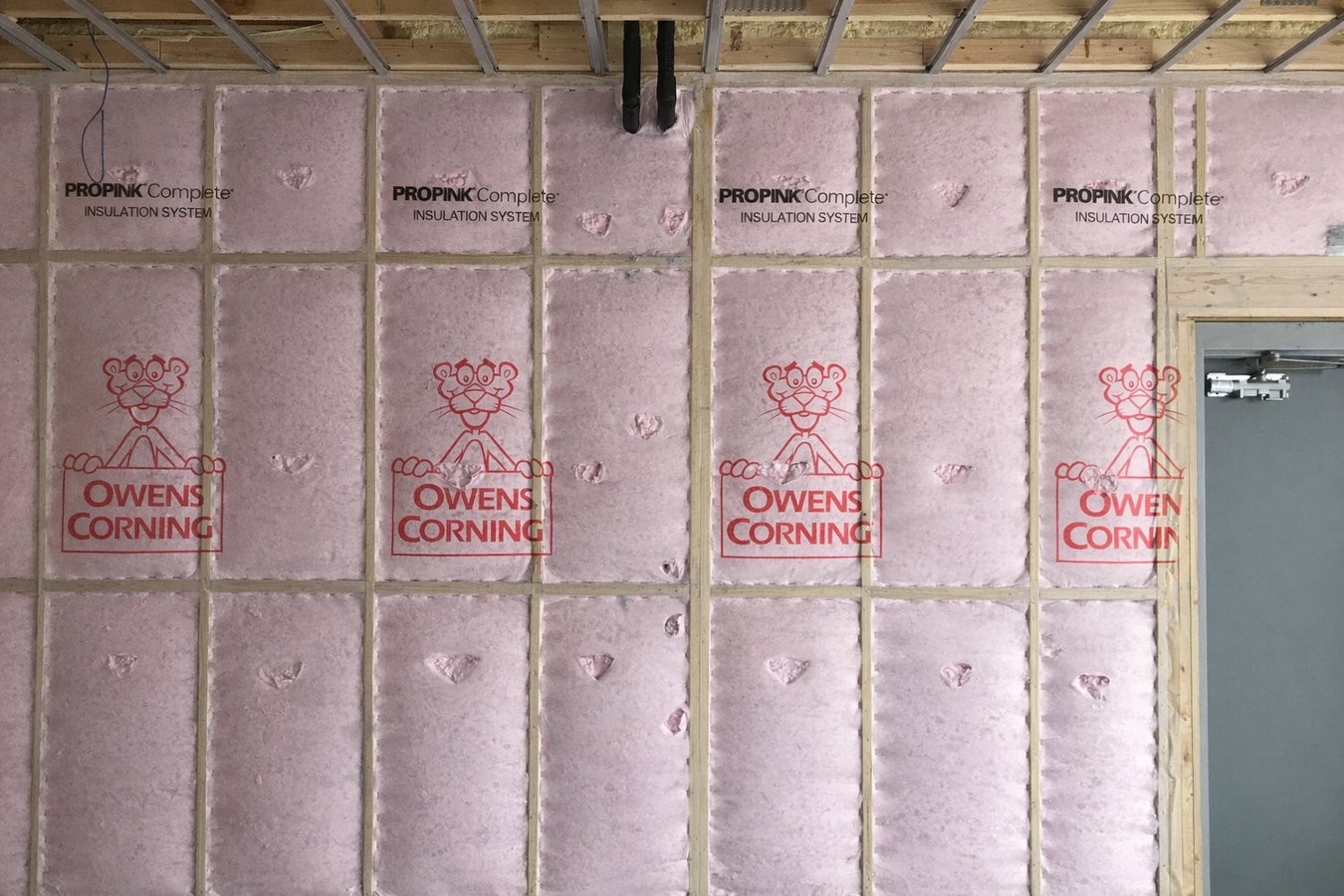
Most of Decatur's pre-1960 homes, including the brick foursquares and Craftsman bungalows near downtown and the wood-frame houses throughout older Macon County neighborhoods, were built with empty wall cavities. These walls provide almost no thermal resistance on their own, which means every winter the home bleeds heat through the exterior. Our wall insulation service uses blown-in loose-fill material installed through small holes that are patched after the work is done, so the exterior finishes are preserved.
Attic insulation
Decatur's older two-story homes commonly have attics with thin original insulation - in many cases just a few inches of compressed material that has never been upgraded. Macon County winters push frost 30 to 40 inches into the ground, and a poorly insulated attic is the first place heat escapes from those homes. Bringing attic insulation up to current Climate Zone 5A standards is typically the most cost-effective single improvement available to Decatur homeowners.
Vapor barrier installation
Homes near Lake Decatur and along the Sangamon River corridor deal with elevated moisture pressure, especially after spring rain events that can send water toward foundations and into crawl spaces. Installing a proper vapor barrier in crawl spaces and basements prevents the ground moisture from degrading floor framing and insulation, and it reduces the musty odors and humidity that migrate into the living space from below.
Spray foam insulation
Decatur's brick foursquares and older two-story homes often have rim joist areas and irregular framing near foundations and additions that blown-in material cannot seal effectively. Spray foam addresses these locations in one step, sealing and insulating simultaneously. It is also the standard approach for crawl space walls and basement rim joists in homes that sit in areas with higher moisture exposure from the Lake Decatur watershed.
Air sealing
Pre-1960 homes throughout Decatur were built before air sealing was a standard construction practice. Open bypasses around chimneys, interior wall tops, and electrical chases are common in these homes, and they allow warm conditioned air to escape directly into the attic regardless of how much insulation is on the attic floor. Sealing these pathways before adding insulation is what makes the insulation reach its rated performance rather than compensating for gaps the insulation cannot cover.
Basement insulation
Most Decatur homes built before 1970 have full poured-concrete or block basements. These basements are typically uninsulated, which means the cold from below grade conducts directly into the floor system above. Insulating basement walls and rim joists keeps the first floor noticeably warmer in winter and reduces the heating load for the entire house, especially in homes where the basement ceiling is the floor of a primary living area.
Why Decatur properties need an insulation contractor who understands local conditions
A large share of Decatur's housing was built before 1960, when insulation standards were minimal and wall cavities were commonly left empty. Decatur's brick foursquares, Craftsman bungalows, and wood-frame two-stories near downtown and around Millikin University are durable structures, but they were not designed with energy performance in mind. The walls, attics, and basements of these homes have typically never been upgraded, and the gap between their current thermal performance and what Illinois energy code requires today is substantial. For many Decatur homeowners, adding insulation for the first time is the single largest reduction in heating and cooling costs they will ever see.
Decatur sits in Climate Zone 5A, where winter temperatures regularly drop below 10 degrees Fahrenheit and the ground freezes deep into Macon County's clay soil. That freeze-thaw cycle through February and March puts pressure on foundations, driveways, and masonry throughout the city. Lake Decatur, which sits in the middle of the city, adds a moisture dimension that most central Illinois cities do not face. Homes in lower-lying neighborhoods near the lake and along the Sangamon River experience higher ground moisture levels after spring rains and snowmelt, which drives demand for vapor barriers and crawl space encapsulation alongside standard insulation work.
Decatur also has a significant rental housing stock, with roughly 45 percent of housing units renter-occupied. Many of these properties are in the older neighborhoods where maintenance has been deferred across multiple ownership cycles. Landlords seeking to reduce utility costs and improve tenant comfort in these older buildings find that wall and attic insulation upgrades are among the most straightforward interventions available.
Working in Decatur: what we know from being on the ground here
We work on homes throughout central Illinois, and Decatur's older building stock is among the most consistent we encounter in the region. The brick and wood-frame homes built across the city before 1960 share common characteristics: empty wall cavities, minimal or absent attic insulation, and basements with no thermal protection at the rim joist. These are straightforward projects, but they require a contractor who knows how to work with older brick exteriors without damaging mortar joints and who understands the moisture conditions that come with proximity to Lake Decatur and the Sangamon River watershed.
Decatur is home to Millikin University, a private university that has anchored the south side of the city since 1901, and to major employers including Archer Daniels Midland and Caterpillar. The city's major corridors, including US Route 51 running north-south and US Route 36 crossing the east side, are familiar reference points when we are scheduling work across the metro area. We are familiar with the City of Decatur's permit process for insulation and renovation work and handle permit applications as part of every project where one is required.
We also regularly serve property owners in Springfield to the west, which shares similar building-stock characteristics and Climate Zone 5A conditions. For homeowners in Bloomington to the north, we serve that market as well.
What to expect when you hire an insulation contractor in Decatur
Call or submit your request
Reach out by phone or through our contact form and we will respond within one business day. We will ask about your home's age and construction type, what you have noticed, and which areas you want assessed, so we can plan the right visit for an older brick home versus a mid-century ranch.
On-site assessment and written estimate
We inspect the attic, walls, crawl space, and basement rim joist, check for moisture conditions relevant to Lake Decatur proximity, and measure existing insulation depth. The written estimate is itemized with no hidden charges, and we confirm any permit requirements upfront. There is no charge for the estimate visit.
Installation with care for older materials
Most attic insulation jobs in Decatur are completed in a single day. Blown-in wall work takes one to two days depending on the number of exterior walls. For brick homes, we drill and patch with care to preserve the exterior finish. Homeowners do not need to leave their homes during the work.
Walkthrough and rebate documentation
Before leaving we walk through the completed work and confirm whether your project qualifies for Ameren Illinois rebates. We provide all documentation needed to file the rebate claim. For landlords managing multiple Decatur properties, rebates can be applied per address.
Ready to address the heat loss in your Decatur home?
We serve homeowners and landlords throughout Decatur, IL with free written estimates and honest assessments. Call us or submit the form and we will respond within one business day.
(217) 917-9089Frequently asked questions
About Decatur, IL
Decatur is the county seat of Macon County with a population of roughly 68,000 residents. The city's economic identity is tied closely to agriculture processing, anchored by Archer Daniels Midland, one of the world's largest agricultural processors, which has been headquartered in Decatur for decades. Caterpillar and Tate and Lyle also maintain major operations in the city. Decatur is one of the older industrial cities in central Illinois, and its residential neighborhoods reflect that history in the form of brick foursquares, Craftsman bungalows, and two-story frame homes built across the early to mid-1900s.
Lake Decatur, a man-made reservoir created by damming the Sangamon River, runs through the center of the city and is one of the most recognizable geographic features in the area. Waterfront neighborhoods along the lake tend to have higher ground moisture levels and face greater basement seepage pressure than neighborhoods further from the water. Millikin University sits on the south side of Decatur and has been part of the city's character since 1901. The older residential neighborhoods near downtown and around Millikin contain some of the most interesting housing stock in central Illinois from an insulation standpoint, because so much of it has never been upgraded.
Decatur sits roughly 40 miles west of Champaign and 40 miles east of Springfield. We also serve property owners in Mattoon to the southeast, which has a similar pre-war and mid-century housing profile and similar climate challenges.
Insulation Contractor Services Available in Decatur, IL
Spray foam insulation
High-performance spray foam that air-seals and insulates in one application.
Learn moreBlown-in insulation
Loose-fill insulation blown evenly into attics and hard-to-reach cavities.
Learn moreInsulation removal
Safe removal of old, damaged, or contaminated insulation before replacement.
Learn moreCrawl space insulation
Crawl space insulation that reduces moisture and improves floor warmth.
Learn moreAir sealing services
Air sealing that closes gaps and drafts to cut energy loss at the source.
Learn moreBasement insulation
Basement insulation that controls moisture and lowers heating and cooling costs.
Learn moreClosed-cell foam insulation
Dense closed-cell foam providing maximum R-value and a moisture barrier.
Learn moreOpen-cell foam insulation
Lightweight open-cell foam for interior walls, ceilings, and sound control.
Learn moreAttic air sealing
Attic air sealing targeting bypasses that drive up heating and cooling bills.
Learn moreCrawl space vapor barrier
Vapor barriers that prevent ground moisture from entering your crawl space.
Learn moreVapor barrier installation
Professional vapor barrier installation for crawl spaces and basements.
Learn moreRetrofit insulation
Retrofit insulation added to existing homes without major renovation work.
Learn moreCommercial insulation
Commercial insulation for offices, warehouses, and mixed-use buildings.
Learn moreAreas We Serve
Serving these cities and communities.
Serving Decatur, IL homes with insulation built for Macon County winters and Lake Decatur moisture
Call Champaign Insulation today for a free written estimate. Decatur's older brick and frame homes are often the most under-insulated buildings we see, and addressing empty wall cavities and thin attics makes a noticeable difference starting with the first full heating season.