
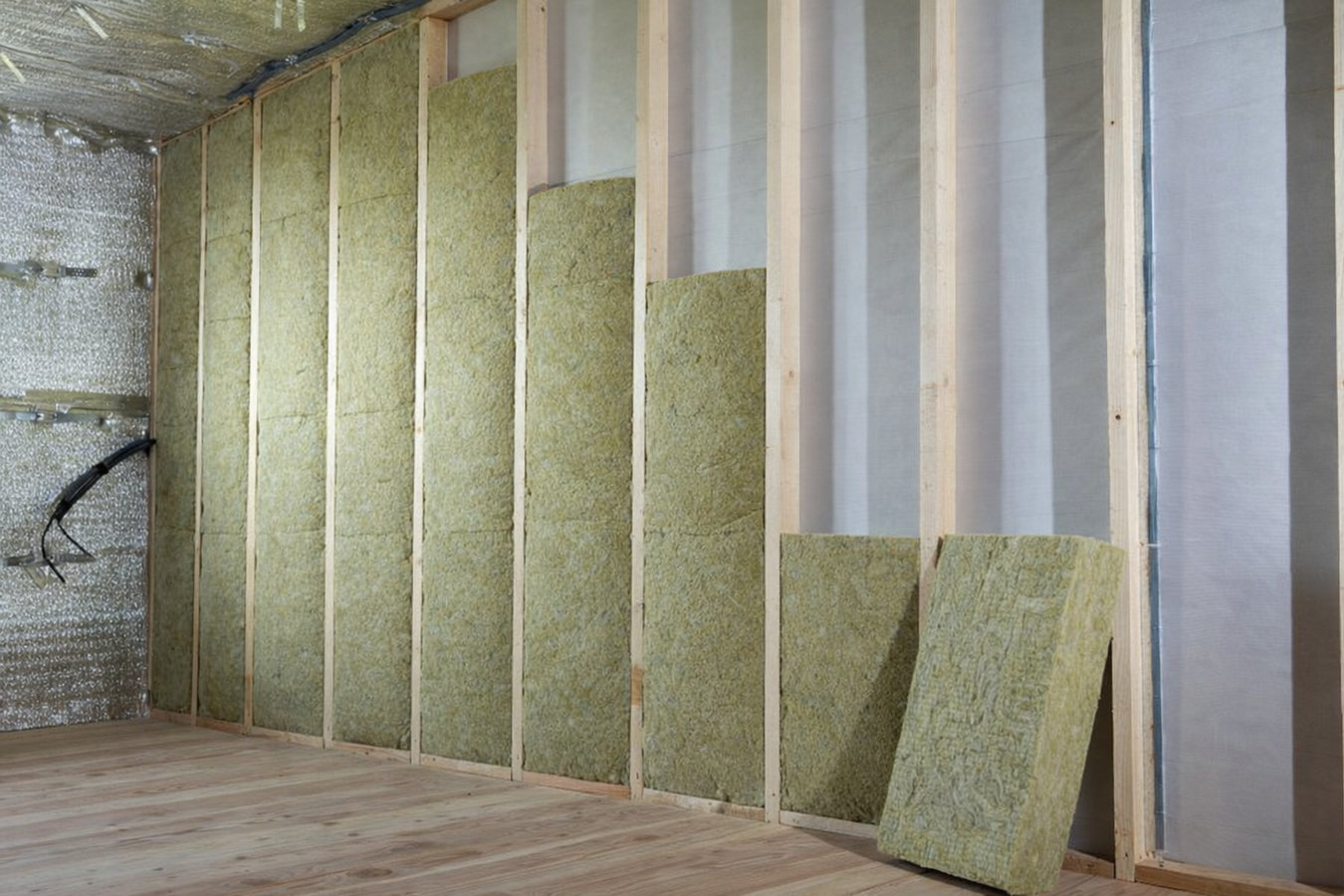
Basement Insulation in Champaign IL - Stop Heat Loss and Lower Your Bills
An uninsulated basement is one of the biggest sources of heat loss in a Champaign home. We insulate foundation walls, rim joists, and ceilings so you stay warm and your energy bills come down.
- Vetted Local Pros
- Locally Owned and Operated
- Free Estimates
- Satisfaction Guaranteed
What does basement insulation actually do for a Champaign home?
Basement insulation in Champaign creates a thermal barrier along foundation walls or the ceiling above the basement - slowing heat loss through concrete, sealing the rim joist, and keeping the lower level of your home from dragging down the comfort of every floor above it. Most jobs are completed in one to two days.
A large share of Champaign homes were built before energy efficiency was a building priority. Homes on the north side of the city and in campus-area neighborhoods were often constructed with bare concrete walls and no rim joist insulation at all. If your home was built before 1980, the basement is likely one of the largest single sources of heat loss in the house - and fixing it tends to have a faster payback than most other upgrades. Proper basement insulation in Champaign also pairs directly with crawl space insulation for homes where the lower level includes both a finished basement and an adjacent crawl space.
The first step is always an in-person assessment. Champaign's flat, clay-heavy terrain means moisture can work against foundation walls year-round, and no reputable contractor should insulate over an active water problem. We check before we quote, and if waterproofing needs to come first, we tell you plainly.
How do you know if your basement insulation needs attention?
Basement is noticeably colder than the house
Walking into your basement on a January morning and feeling like you stepped into a refrigerator is one of the clearest signals that heat is escaping through uninsulated foundation walls. Champaign winters are long and cold, and that temperature gap can pull down the comfort of the floor directly above the basement - making living room floors feel cold even when the thermostat is set correctly.
Musty smell or condensation in summer
When Champaign's humid summer air enters a cool, uninsulated basement, it hits cold concrete walls and condenses - just like a glass sweating on a warm day. That moisture feeds mold and mildew. If you smell something musty in the basement during July or August, or you see water droplets on walls without any active leak, poor insulation and air sealing are the likely cause.
Drafts near the floor on the first level
Stand near an exterior wall on the first floor on a cold day and pay attention to whether you feel cool air moving near the floor. That draft often originates in the basement, where outside air enters through gaps in the rim joist or around basement windows and then rises into the living space. This is especially common in Champaign homes with older wood-framed rim joists that have never been sealed.
Pipes have frozen or come close to freezing
If you have ever had a pipe freeze in your Champaign basement during a cold snap, that is a strong signal that your basement is not retaining enough heat. Proper insulation keeps the space above freezing during even the coldest nights. Protecting your plumbing is often the most immediately compelling reason homeowners finally schedule the work.
Basement insulation services we provide in Champaign
We insulate basement walls using spray foam or rigid foam board - the two materials best suited to concrete because they resist moisture rather than absorbing it. The rim joist, which sits right at the top of the foundation wall where framing meets concrete, is almost always included in the scope because it is one of the single largest air-leak points in an older Champaign home. Skipping it is like patching a leaky pipe but leaving a second one dripping. We treat the rim joist as a standard part of every basement insulation project, not an optional add-on.
For finished or partially finished basements, we can insulate between the framing before drywall goes in - or address the rim joist and wall edges while leaving the finished interior intact. If you are working on a closed-cell foam insulation project that spans multiple areas of the home, we coordinate the basement scope with attic and wall work so material choices are consistent and the whole-home thermal envelope holds together.
We also insulate basement ceilings for unfinished basements used primarily for storage - keeping that unheated space separate from the living area above. Every project begins with a moisture check and a written estimate before any work starts. You will know exactly what is being done, what materials will be used, and what the cost is before we lift a tool.
Foundation wall insulation
Spray foam or rigid foam board applied directly to concrete walls, suited for Champaign basements that need moisture resistance along with thermal performance.
Rim joist insulation and air sealing
Addresses one of the largest air-leak points in older Champaign homes - the framing where your floor structure meets the top of the foundation wall.
Basement ceiling insulation
Keeps an unfinished, unheated basement separate from the living space above - the right approach for homes where the basement is used for storage only.
Finished basement framing insulation
Insulation installed between studs before drywall goes up, for homeowners renovating or finishing their Champaign basement.
Moisture assessment and prep
A pre-installation check for water intrusion, required before insulation goes in - protects you from trapping dampness behind a finished wall.
Why basement insulation matters so much in Champaign, IL
Champaign sits in a climate zone where winter temperatures regularly drop below 10 degrees Fahrenheit and summer humidity pushes heat indexes well above 100. That means your basement insulation is working hard in both directions - keeping heat in through a long central Illinois winter and preventing humid outdoor air from condensing on cool concrete walls all summer. The two-season challenge here is more demanding than it would be in a milder climate, and it makes the material choice and installation quality matter more than in most places.
Champaign also sits on the Champaign Plain - an extremely flat glacial landscape with heavy clay soils that drain slowly after rain or snowmelt. That slow drainage means water sits against foundation walls longer than in areas with sandy soil or natural slope. It is why moisture assessment is not optional here before insulation goes in. Homeowners in Champaign and neighboring Urbana - especially in neighborhoods with older housing near the university campus - encounter this combination of cold winters and moisture pressure more consistently than most Midwest cities of similar size.
The age of the housing stock adds another layer. A significant share of homes in established Champaign neighborhoods were built between the 1940s and 1970s, long before energy efficiency was a building priority. Many have bare concrete walls, no rim joist insulation, and basement windows that were never properly sealed. If your home falls into that category, the basement is likely your single biggest opportunity for energy savings. We work across Savoy and throughout Champaign County. The U.S. Department of Energy identifies basement insulation as one of the highest-impact improvements available for homes in cold-climate zones like central Illinois.
What happens when you call for basement insulation in Champaign?
Call or submit a request online
We ask a few basic questions - the size and condition of your basement, whether it is finished or unfinished, and any moisture history. We reply to all requests within 1 business day and can typically schedule an in-person visit within a few days of first contact.
In-home assessment and written quote
We walk through your basement and look at walls, ceiling, rim joist, existing insulation, and any signs of moisture. You receive a written estimate with materials, scope, and total cost before you agree to anything. If moisture needs to be addressed first, we tell you before quoting insulation work.
Clear the work area before installation
Move stored boxes and furniture away from the walls or ceiling being insulated. If spray foam is part of the plan, we will confirm re-entry timing - typically a few hours after application while the foam cures and the space ventilates. Most families can continue normally in the rest of the house throughout the job.
Installation, walkthrough, and documentation
Most Champaign basement jobs are complete in one to two days. At the end of the job we walk you through the finished work, point out the rim joist treatment, and confirm re-entry timing if spray foam was used. Keep your written estimate and any permit documentation on file - you may need both when you sell the home or apply for an Ameren Illinois rebate.
Ready to stop losing heat through your basement? Get a free estimate.
We check for moisture before we recommend anything, explain what we find in plain language, and give you a written quote before any work starts. No pressure, no guesswork.
(217) 917-9089Why Champaign homeowners call Champaign Insulation for basement insulation
Rim joist is standard, not an add-on
We include rim joist insulation and air sealing in every basement insulation project we quote. It is one of the largest single sources of heat loss and air infiltration in older Champaign homes, and treating it separately from the wall insulation leaves real money on the table. You get a complete thermal boundary, not a partial one.
Moisture check before every installation
Champaign's flat terrain and clay soil keep water against foundation walls longer than in most cities. We check for signs of active moisture intrusion during every assessment and will tell you plainly if waterproofing needs to happen first. Installing insulation over a moisture problem creates a hidden mold risk - we do not do that.
Serving Champaign County homes since 2022
We have worked in Champaign's older north-side neighborhoods and newer south-side subdivisions. Homes built in this area before 1980 have particular characteristics - thicker concrete walls, older window wells, specific rim joist construction - and we come prepared for what is common here rather than treating every job the same.
Familiar with Ameren Illinois rebate programs
Illinois homeowners may qualify for Ameren Illinois rebates and a federal tax credit for qualifying insulation improvements. We are familiar with what qualifies and can help you understand what documentation to save. The savings can meaningfully reduce your out-of-pocket cost, and we document every job so you have the records you need at tax time.
The difference between basement insulation that performs and insulation that disappoints usually comes down to two things: whether moisture was checked first and whether the rim joist was included in the scope. We check both before quoting, and you can look up Ameren rebate programs directly through Ameren Illinois.
Frequently asked questions
Related insulation services in Champaign
Closed-Cell Foam Insulation
High-performance spray foam that insulates and air-seals simultaneously - particularly effective for Champaign basements and crawl spaces where moisture resistance is critical.
Learn moreCrawl Space Insulation
Insulation and air sealing for the crawl space below your home - addresses the same moisture and cold-air issues as basement insulation in homes with a partial foundation.
Learn moreSchedule your basement insulation in Champaign today
Champaign winters are long and contractor schedules fill up fast heading into fall - contact us now to lock in your estimate before the rush.